
California does not use one single number for every case. Instead, the law gives you three separate paths, built around the numbers 4, 2, and 30, that can create a legal presumption in your favor.
A presumption is not an automatic win. Once you meet one of the three thresholds, the burden shifts. The manufacturer then has to explain why your car still is not a lemon.
Quick answer: Under Civil Code section 1793.22, you may qualify for a presumption after four or more repair attempts for the same problem. You may also qualify after two or more attempts if the defect could cause death or serious injury. A third path applies if your car sat in the shop more than 30 cumulative days for warranty repairs. Each path depends on the details of your file.
Table of Contents:
- How Many Lemon Law Repair Attempts Does California Require?
- What Is a “Reasonable Number” of Repair Attempts?
- What Counts as a Lemon Law Repair Attempt?
- How Does California’s 30-Day Rule Work?
- Do Attempts After 18 Months or 18,000 Miles Still Matter?
- How to Document Every Repair Attempt
- FAQs
How Many Lemon Law Repair Attempts Does California Require?
Here is the 4/2/30 framework at a glance:
| Situation | Presumption Guideline | What Needs Review |
|---|---|---|
| Same non-safety problem | Four or more repair attempts | Warranty, persistence, substantial impairment, timing, notice |
| Defect likely to cause death or serious bodily injury | Two or more repair attempts | Severity, unsuccessful opportunities, other conditions |
| Vehicle unavailable for warranty repairs | More than 30 cumulative days | Covered repair days, exceptions, timing, other conditions |
These numbers come from what attorneys call the Tanner presumption, a rule under Civil Code section 1793.22. A rebuttable presumption is a legal shortcut. It shifts the burden of proof to the manufacturer, but the manufacturer can fight back with its own evidence.
Meeting one of these numbers is a strong sign, not the end of the story. The car has to be under warranty. The problem has to seriously affect how you use the car, what it’s worth, or your safety. Your notice to the manufacturer and your timing have to line up too.
The California Attorney General and the Department of Consumer Affairs both describe this same 4/2/30 structure for consumers. The DCA’s Arbitration Certification Program has also stated that at least two repair attempts are generally required before a claim can move forward.
Get your repair history reviewed to see how your repair attempts and days out of service fit California’s Lemon Law rules.
What Is a “Reasonable Number” of Repair Attempts?
The 4/2/30 numbers create a presumption. But the legal standard behind them is broader. Civil Code section 1793.2 requires the manufacturer to fix the car within a reasonable number of repair attempts. A repair attempt (sometimes called a repair opportunity) is simply one visit where the shop tries to fix the reported problem. What counts as reasonable is not a fixed number. It depends on the facts of each case.
A few things shape that call. How severe and dangerous the problem is matters most. A defect that could cause a crash gets far less patience than a rattle in the dashboard. Whether the same problem keeps coming back matters too. A squeak on one visit and a leak on the next are two different problems, not two tries at the same one.
What the shop actually did counts too, whether that was a part swap, a software update, or a full teardown. So does how long you were without your car. Courts also look at whether the manufacturer got a fair chance to find and fix the problem.
In Krotin v. Porsche Cars North America, the court found that manufacturers carry a duty to fix a car, or make things right, once they’ve had that fair chance. The buyer does not need to formally reject the car for that duty to kick in.
Silvio v. Ford Motor Co. matters here too, but only for what it actually decided. The court held that a single repair visit was insufficient because the law uses the plural “attempts.” One visit is singular. The ruling does not set a specific higher number for every case. It simply confirms that a single visit, on its own, will not usually meet the reasonable number standard.
What Counts as a Lemon Law Repair Attempt?
Many owners get tripped up here. What counts as an attempt often comes down to the repair order and the facts around it, not just whether a part got replaced.
“No Problem Found” or “Could Not Duplicate” Visits
A visit where the shop wrote “no problem found” or “could not duplicate” can still show that you brought the car in for the reported problem. That does not mean every visit like this automatically counts as a repair attempt. It depends on what else the record shows.
Example: A driver brings in a car three times for a stall that comes and goes. Each time, the shop can’t make it happen and sends the car back with no repair done. Those visits may still help the case, but only if the full record backs up that the problem was real.
Keep the complete repair order, not just the summary page. Save any video or photos of the warning light, the stall, or whatever you experienced. That evidence often turns a weak visit into a useful one.
Different Diagnoses for the Same Recurring Symptom
Manufacturers sometimes give the same underlying problem a different label at each visit. On paper, that can make a clear pattern look like a string of unrelated issues.
Example: A driver reports losing power while merging onto the freeway. Visit one gets a software update. Visit two, for the same complaint, gets a sensor swap. Visit three gets a transmission inspection. Three labels, but arguably one recurring symptom.
This is why an attorney looks at the complaint the driver actually experienced, not just the label the dealer gave each visit. A pattern of different fixes for the same symptom can matter more than the labels suggest.
Visits to Different Authorized Dealerships
Many drivers do not go back to the same shop every time. One dealership may be closer to home. Another may be closer to work. Or the first shop just left a bad impression.
Whatever the reason, collect every repair order from every authorized dealership and put them in order by date. One complete timeline beats scattered paperwork spread across two or three service departments.
An attorney can also assess what that pattern shows about what the manufacturer knew, and when, which is a separate question from how many visits appear on paper. Counsel should review and approve the final legal statement about aggregation and manufacturer knowledge before it goes into any demand or filing.
Have an attorney review your repair orders and help identify the pattern behind your repeated repair visits.
How Does California’s 30-Day Rule Work?
The 30-day path under section 1793.22 looks at cumulative days out of service for repair of a nonconformity. A nonconformity is simply a defect covered by your warranty that the manufacturer has not been able to fix to match its terms.
The days do not have to be back to back. A week after a stall, four days after a warning light, and a longer stretch waiting on a part can all add up toward that total.
Time spent waiting on a diagnosis or a backordered part often counts too. Whether a specific stretch qualifies depends on the records and how the shop documented the delay. The repair order, not your memory, does the work here.
One more thing worth flagging: Civil Code section 1793.2 also uses the number 30, but for something different. That section covers how long the manufacturer has to finish a single repair once it starts, with exceptions for delays outside its control. That is a repair-completion rule, not the cumulative days-out-of-service presumption. The two should not be mixed.
Do Attempts After 18 Months or 18,000 Miles Still Matter?
Here is a myth worth correcting. The 18-month or 18,000-mile window, whichever comes first, sets the timeline for the statutory presumption. It does not automatically end every Lemon Law right you have.
Repair attempts and days out of service outside that window can still matter. The warranty terms, when the defect was first reported, your repair history, and any filing deadlines all need a case-specific look. A defect reported early, then repaired again and again later, does not just disappear from the picture once the presumption window closes.
For the bigger question of whether your car qualifies at all, see our companion article, How Does a Car Qualify for Lemon Law in California?
How to Document Every Repair Attempt
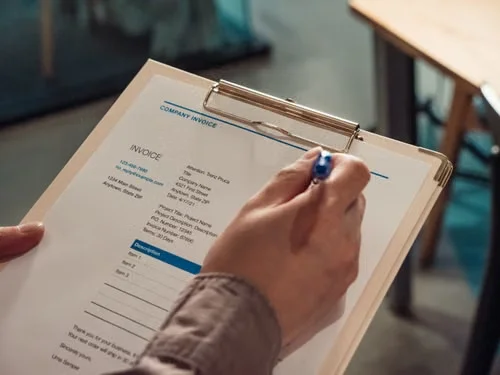
Good records are often the difference between a strong case and a weak one. Follow this checklist at every visit:
- Ensure the repair order describes your symptoms in your own words, not in shorthand that loses detail.
- Check the date in, the date out, and the mileage on every order before you leave.
- Keep every “no problem found” order, even the ones that feel like a dead end.
- Save any videos, warning-light photos, towing records, and any messages from the dealer.
- Track every day your car was unavailable to you, not just the ones tied to a finished repair.
- Keep manufacturer case numbers and any written notices you sent or received.
- Do not sign “problem resolved” language that is not accurate just to get your keys back. Ask for a correction first.
Not sure what your paperwork shows? A repair-order review from our office can help. Contact our Lemon Law Lawyer team to walk through your records.
Send us your repair orders and documentation so our team can help you understand what your records show.
FAQs
Is a car automatically a lemon after four repair attempts?
No. Four or more attempts for the same problem can create a presumption under section 1793.22. But the car still needs to be under warranty, and the defect needs to seriously affect its use, value, or safety. The manufacturer can also present its own evidence.
Can two repair attempts be enough in California?
Yes, but only for defects likely to cause death or serious injury if you drive the car. This lower threshold does not apply to ordinary comfort or convenience problems.
Do repair days have to be consecutive?
No. The 30-day out-of-service presumption counts cumulative days, not one continuous stretch. Days from separate visits add together toward that total.
Does a “cannot duplicate” visit count?
Not automatically. It can show that you brought the car in for the reported problem, but it does not count as a repair attempt on its own. The full repair order and any supporting evidence usually decide how much weight it carries.
Can the manufacturer demand one final repair attempt?
Manufacturer rules vary. Some manufacturers follow opt-in repair and resolution programs, described on the DCA’s Lemon Law Procedures page, with their own timelines for a final repair offer. Whether a “final attempt” demand is fair in your case depends on your repair history and which program applies. Review it with an attorney before you agree to anything.
Have your repair history reviewed by a Lemon Law attorney and understand what your records may mean for your case.
Conclusion
California’s Lemon Law does not hinge on one magic number. Four repair attempts for an ordinary defect, two for a safety-critical one, or more than 30 cumulative days out of service can each tip the presumption your way. Even so, whether your repair history meets a reasonable number comes down to the facts in your file.
If you have been back to the dealership more than once for the same problem, do not guess at where you stand. Bring your repair orders to our office, and we will help you understand what your documentation shows. Get a case review today.